THE LAND IS OUR GREATEST TEACHER

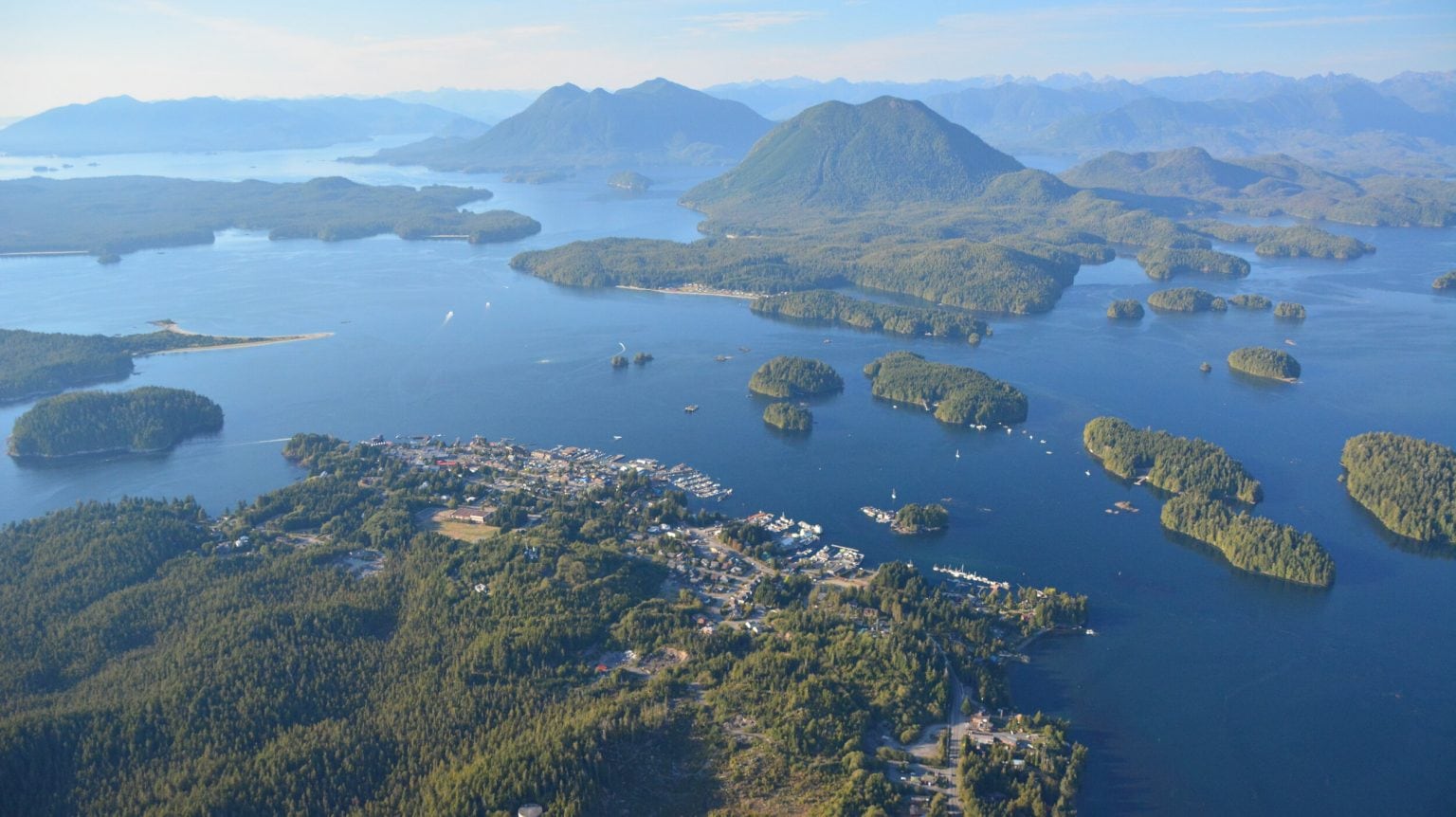
Nestled within the spectacular Ha’houlthee (traditional territory) of the Tla-o-qui-aht Ha’wiih, the Clayoquot Campus is more than just a destination—it is the beating heart of a new era in environmental stewardship. As the inaugural place-based learning site of the Pacific IPCA Innovation Centre, our 12-acre property is a sanctuary dedicated to the future of Indigenous-led conservation.

A PROFOUND TRANSITION

Our current chapter represents a historic return to Indigenous stewardship. In 2021, ownership of this stunning property was transferred to the IPCA Innovation Program (a project of MakeWay Charitable Society). Following a purposeful and collaborative journey, the land was formally transferred on January 1, 2025, to the Clayoquot Indigenous Conservation Innovation Centre, a Canadian charity. Today, this unique space stands as a living testament to reconciliation, conservation, and community. 

WHY RE-WILD?

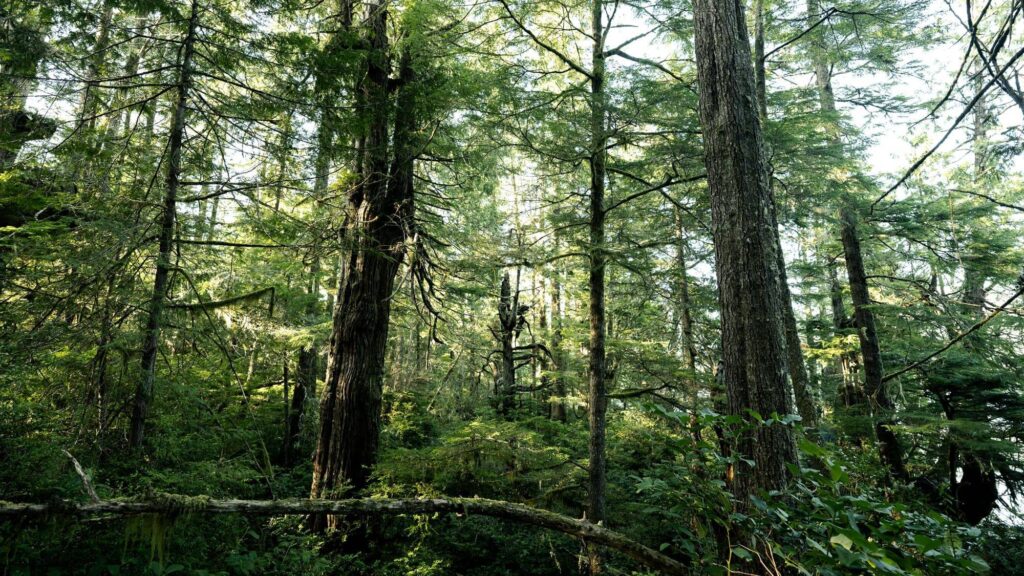
Step outside, and you will witness a landscape in transformation. At Naa’waya’sum Gardens, we are embracing the healing power of nature-based wellness, actively working to re-wild our landscapes and transition the grounds to honor and restore Indigenous botanical systems.

On the West Coast of Canada, re-wilding is not just an ecological exercise—it is profoundly tied to decolonization, cultural survival, and the assertion of Indigenous rights. In the context of Indigenous Protected and Conserved Areas (IPCAs), re-wilding shifts the focus from simply “protecting nature from humans” to restoring the reciprocal, active stewardship that maintained these ecosystems for millennia.  

For generations, colonial policies forcibly removed Indigenous peoples from their lands and outlawed traditional management practices. Re-wilding is a direct reversal of that erasure.

  • Cultural Resurgence: Re-wilding the land goes hand-in-hand with re-wilding culture. It means restoring traditional food systems (like clam gardens and camas meadows) and medicinal plant harvesting areas.

  • Reasserting Law: When Nations actively manage the recovery of their territories, they are exercising their inherent rights and traditional laws. It moves sovereignty from a legal argument on paper to a physical reality on the ground.

  • Healing: The health of the land and the health of the people are seen as inseparable. Healing a constructed landscape provides a pathway for community healing and reconnecting youth with their ancestral territories.

    Read about the opening of the Clayoquot Campus in the Ha-Shilth-Sa Newspaper.

    Want to learn more? Contact us! 

OUR TEAM

4

Eli Enns

IISAAK OLAM | Director

Eli Enns is an internationally recognized expert in Indigenous-led conservation. From Tla-o-qui-aht Nation on his father’s side, and of Dutch Mennonite heritage on his mother’s side, Eli promotes holistic solutions for community and ecosystem health and well-being. With a background in political science, Eli is a ‘Nation-builder’ with values and approaches rooted in Indigenous economic theory and practice.
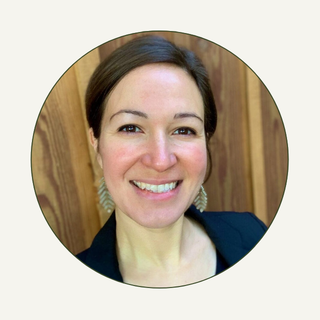
3

Monica Shore

IISAAK OLAM | Co-Founder & Executive Director

Monica is a highly strategic, creative, and solutions-oriented leader, acknowledged for her ability to transform visions, concepts and ideas into successful programs and initiatives. An experienced and meticulous program manager and communicator, Monica possesses a unique ability to weave together western and Indigenous knowledge systems in Ethical Space.
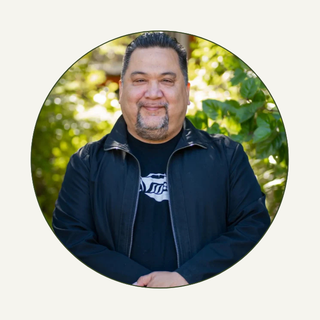
2

Terry Dorward

IISAAK OLAM | President of the Board and West Coast IPCA Conservation Director

A Tla-o-qui-aht elected councillor, Terry co-founded the internationally acclaimed Tla-o-qui-aht Tribal Parks Guardian program. For 15 years, he advanced cultural and ecological stewardship as the Tribal Parks Project Coordinator. Today, Terry remains a dedicated advocate for Indigenous-led conservation, actively supporting Tla-o-qui-aht Hereditary leadership.